What is a donation receipt and why does it matter?
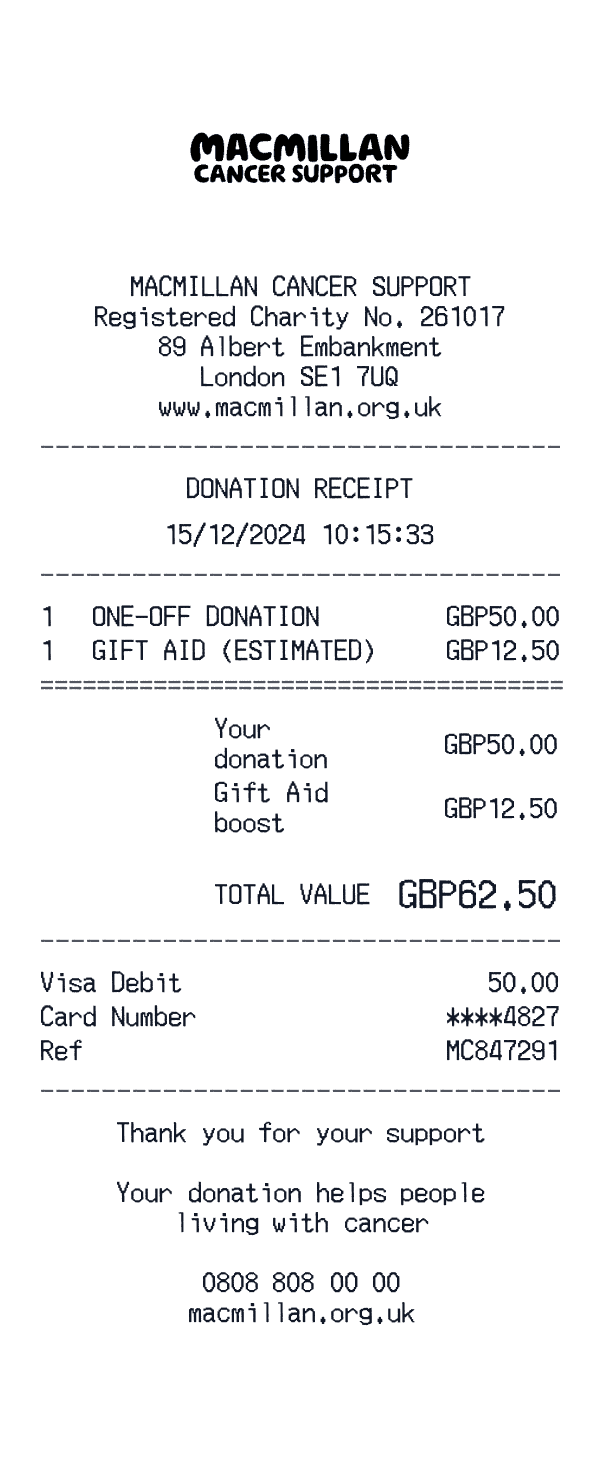
A donation receipt is an official acknowledgment from a nonprofit organization confirming that a donor made a charitable contribution. Unlike standard purchase receipts, donation receipts serve a specific legal purpose: they provide the documentation the IRS requires for taxpayers to claim charitable deductions on their tax returns. Without a proper donation receipt, donors cannot substantiate contributions over $250, and even smaller donations benefit from written acknowledgment.
For nonprofits, issuing proper donation receipts isn't just good practice—it's a legal requirement. The IRS mandates that 501(c)(3) organizations provide written acknowledgment for any single contribution of $250 or more. The receipt must include specific information: the organization's name, the donation amount or description of non-cash gifts, a statement about whether goods or services were provided in exchange, and the date of the contribution. Failing to provide compliant receipts can jeopardize donors' tax deductions and damage your organization's reputation.
IRS requirements for charitable donation receipts
The IRS has clear rules about what donation receipts must contain. For cash contributions over $250, the receipt must state: the organization's name and address, the date of the contribution, the amount donated, and a statement indicating whether any goods or services were provided in exchange for the donation. If the nonprofit did provide something of value (like gala tickets or merchandise), the receipt must state the fair market value of those items so donors can calculate the deductible portion.
For non-cash donations like clothing, furniture, or vehicles, the requirements are more complex. The receipt must describe the donated property in detail but generally should not assign a value—that's the donor's responsibility. For donations over $5,000, donors typically need a qualified appraisal. For vehicle donations over $500, special rules apply regarding the sale price or fair market value. Our donation receipt template includes fields for all these scenarios, helping your organization stay compliant regardless of the donation type.
Creating donation receipts for your nonprofit
Start by entering your organization's legal name exactly as it appears on your IRS determination letter—this is critical for donor verification. Include your EIN (Employer Identification Number) so donors and their accountants can confirm your 501(c)(3) status. Add your organization's address, phone number, and website for donor reference. These details establish credibility and make it easy for donors to reach you with questions.
Next, enter the donor's information and contribution details. For cash donations, record the exact amount and date received. For check donations, note the check number for your records. For non-cash donations, provide a detailed description (e.g., '50 items of men's clothing in good condition') without assigning a dollar value unless you're a qualified appraiser. Include the required IRS statement about goods or services provided—for most straightforward donations, this will be 'No goods or services were provided in exchange for this contribution.' Download the completed receipt and send it to your donor within 30 days of receiving the contribution.
Year-end donation receipts and annual giving statements
Many donors prefer consolidated year-end receipts that summarize all their contributions to your organization during the tax year. These annual giving statements are especially valuable for regular donors, monthly givers, and major supporters who make multiple contributions throughout the year. A single comprehensive document simplifies their tax preparation and demonstrates the cumulative impact of their giving.
Year-end receipts should list each donation separately with dates and amounts, then provide a total for the calendar year. Include your standard IRS-required language and a thank-you message acknowledging the donor's generosity. Send these statements in early January so donors have them in hand when they begin preparing their tax returns. Our template supports both individual donation receipts and cumulative annual statements, giving your organization flexibility in how you acknowledge contributions.
Special cases: Quid pro quo, in-kind, and stock donations
Quid pro quo donations occur when a donor receives something of value in exchange for their contribution—like a $500 gala ticket that includes a $150 dinner. The IRS requires you to disclose the fair market value of the benefit provided, and only the excess ($350 in this example) is tax-deductible. Your donation receipt must clearly state both the total payment and the value of goods or services received, so donors can calculate their allowable deduction.
In-kind donations of goods or services require careful documentation. For tangible items like equipment, supplies, or auction items, describe the donation in detail and note its condition. For professional services donated (legal work, consulting, etc.), these are generally not tax-deductible for the donor, but you should still acknowledge them for your records. Stock donations have become increasingly popular; acknowledge the number of shares and the date of transfer, as the donor's deduction is based on fair market value on the transfer date. Our donation receipt template handles all these scenarios with appropriate fields and IRS-compliant language.