Why cash transactions need receipts
Cash transactions don't leave automatic digital trails like credit cards do. Without a receipt, there's no proof the transaction occurred. This is why cash receipts are useful for personal record-keeping and creative projects that need authentic documentation.
A cash receipt serves as the official record of a cash transaction. It documents who paid, who received payment, what was purchased, how much was paid, and when the transaction occurred. This documentation protects both parties and creates the paper trail needed for financial records.
Elements of a proper cash receipt
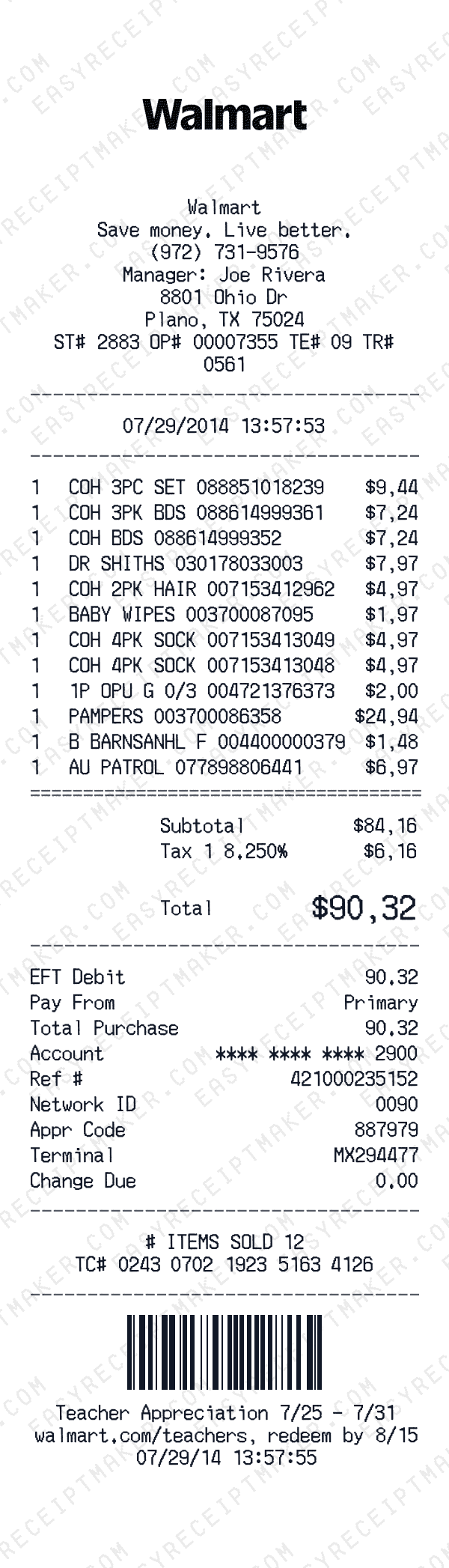
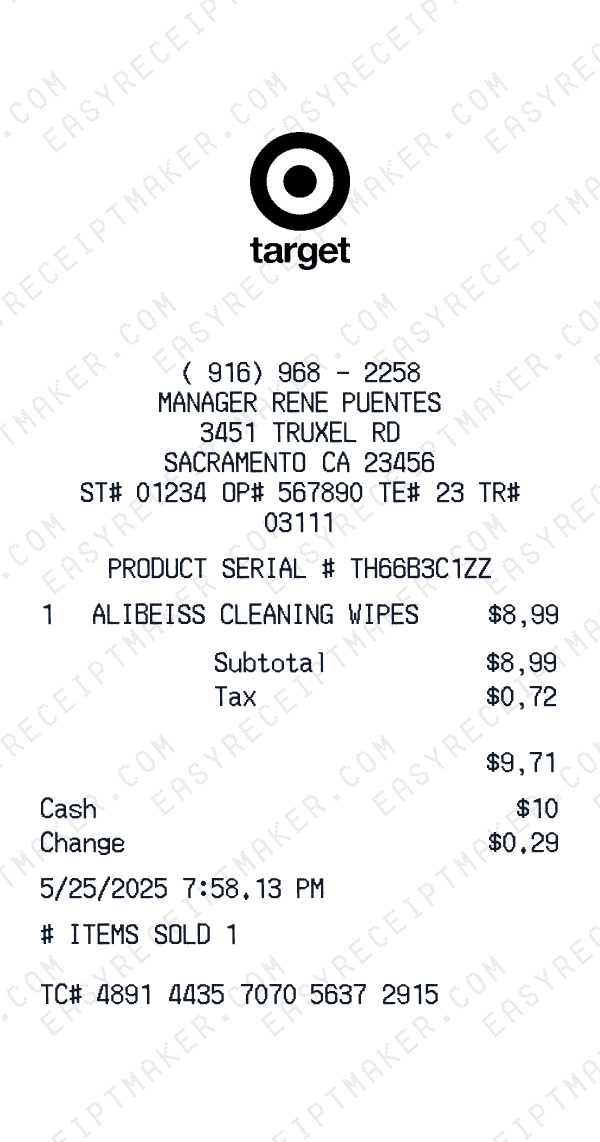
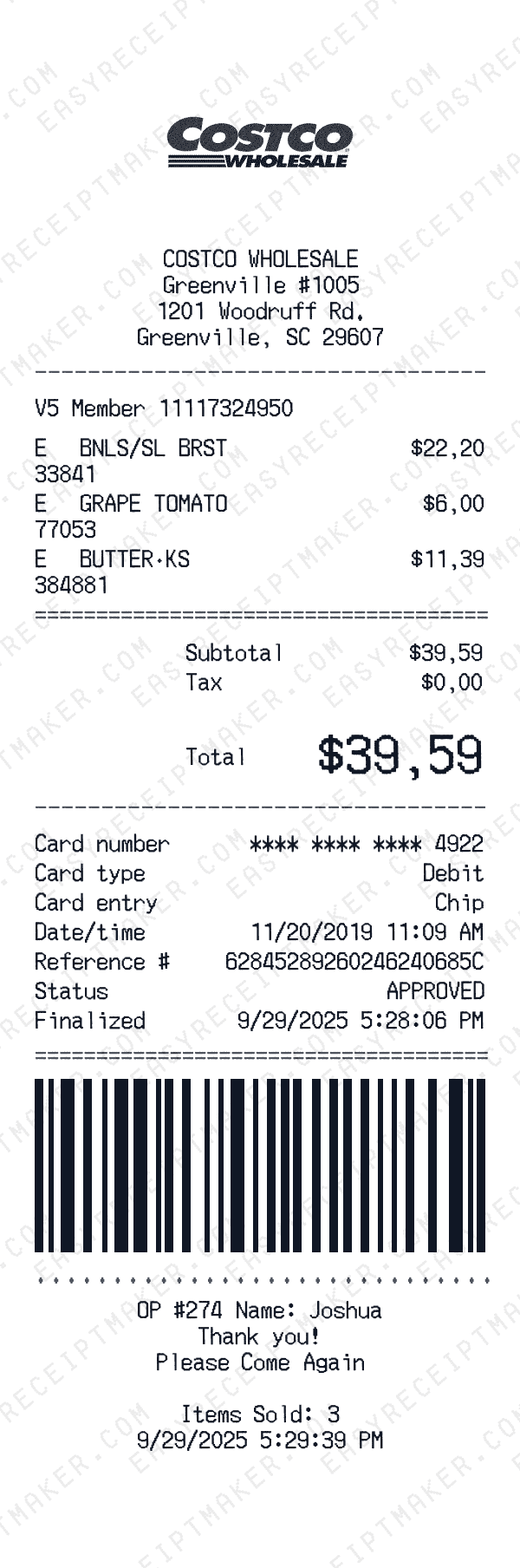
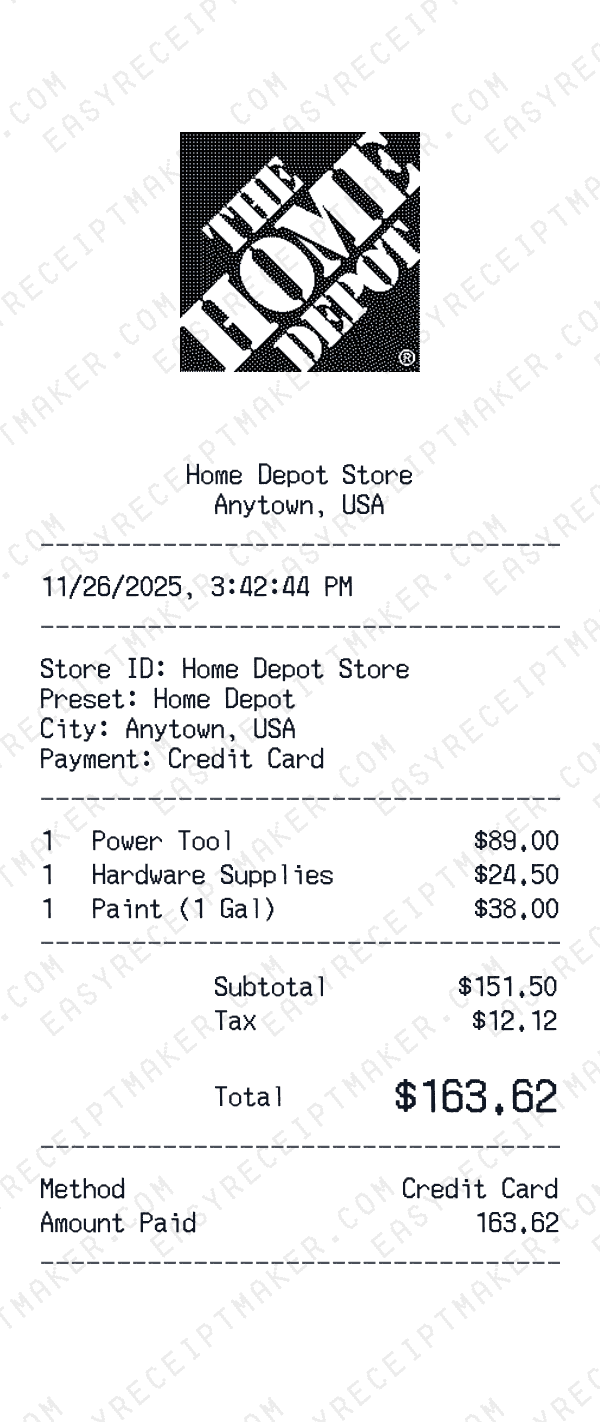
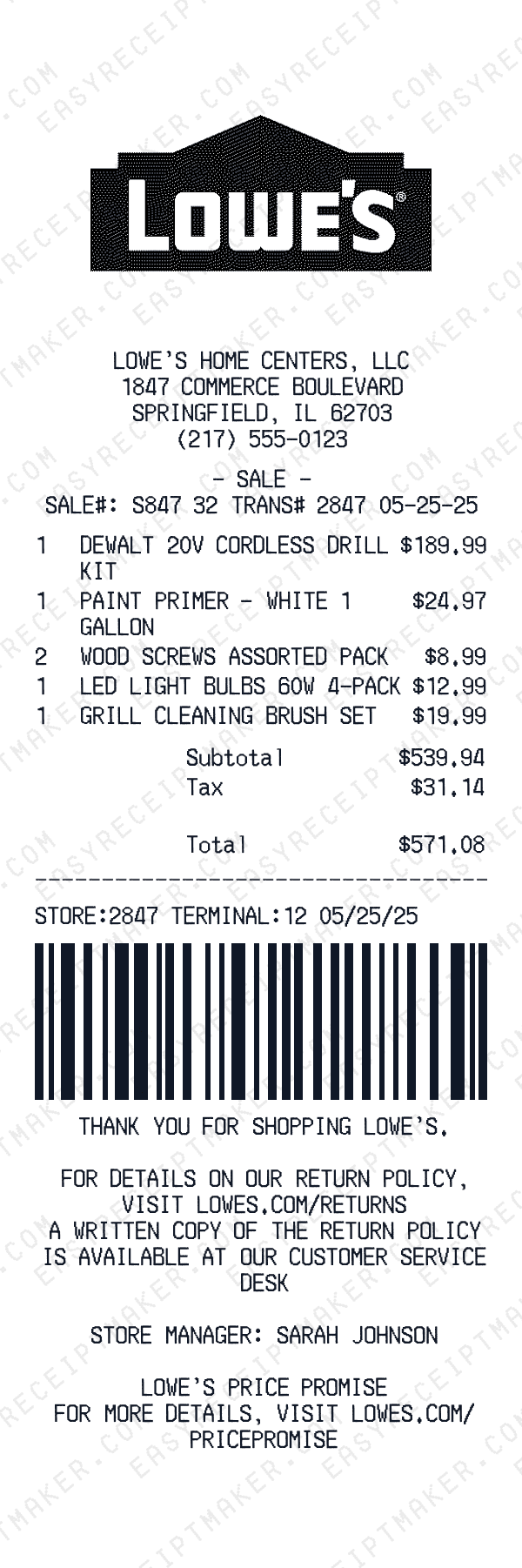
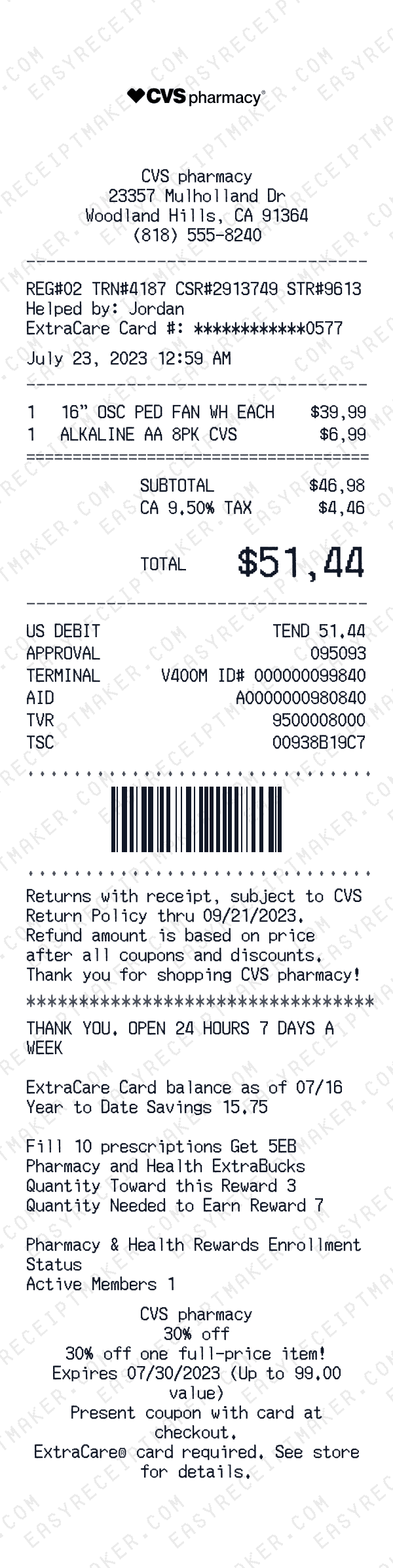
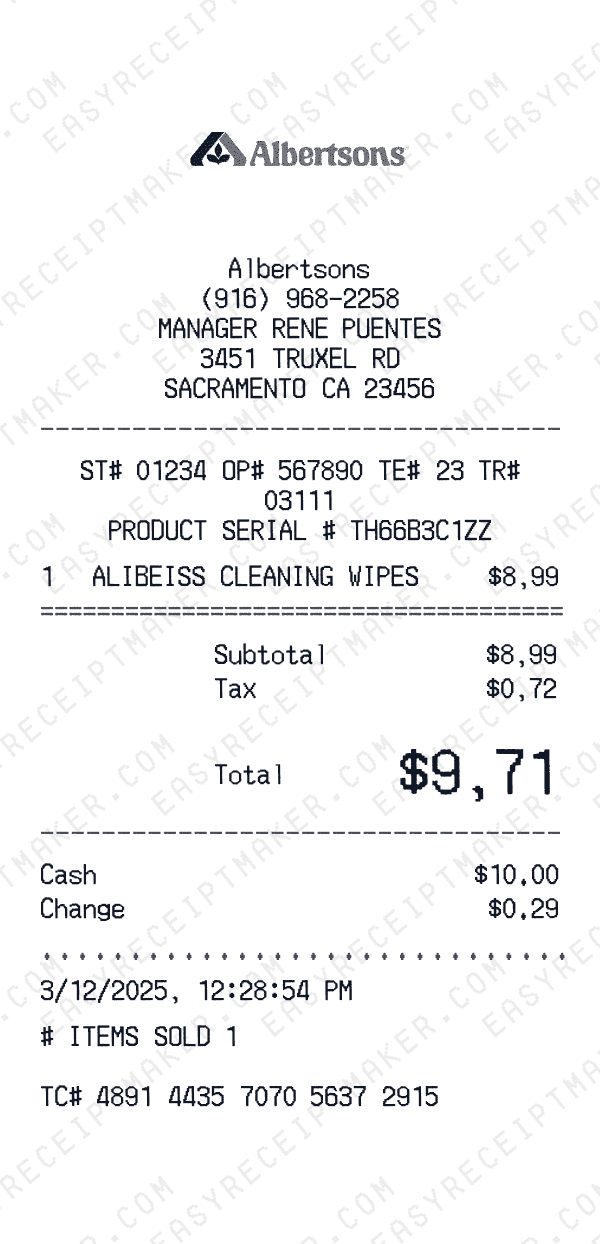
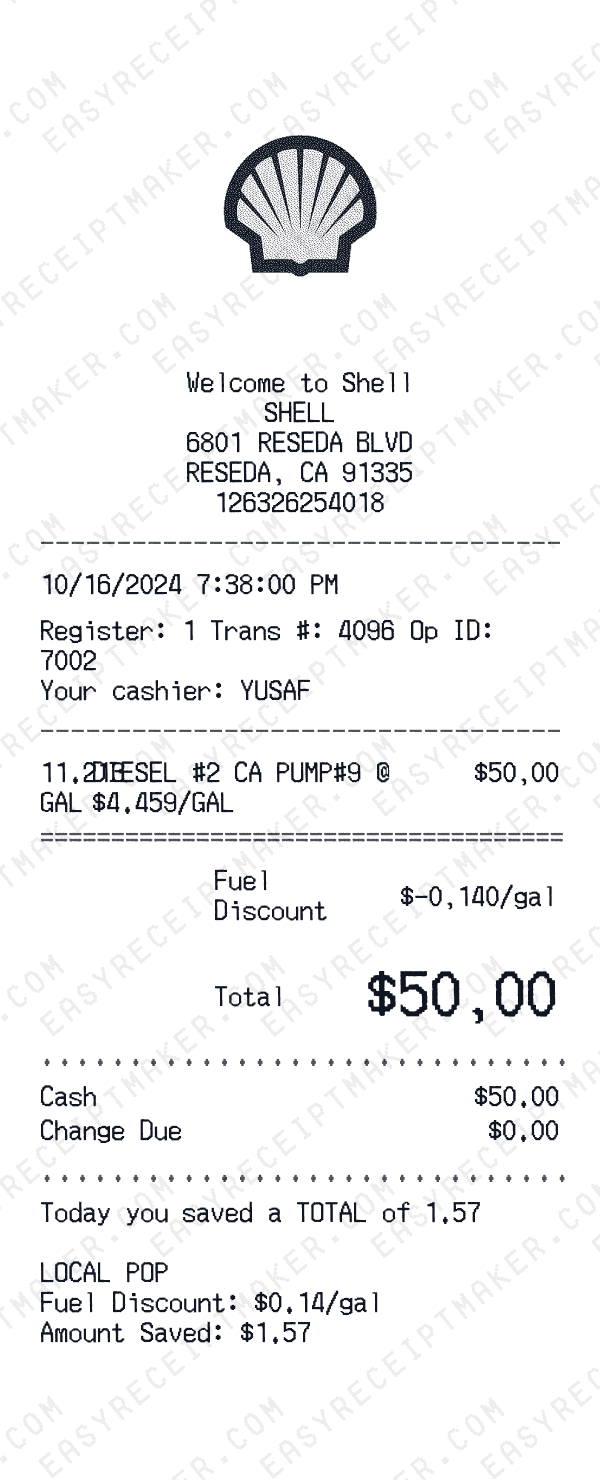
A complete cash receipt includes: the seller's business name and contact information, the date and time of the transaction, an itemized list of goods or services with prices, any applicable taxes, the total amount paid, and a clear indication that payment was made in cash. Some receipts also include a receipt number for tracking purposes.
Our cash receipt template includes all these elements in a professional format. The payment method section clearly shows 'CASH' to distinguish it from card or check payments. You can customize the amount tendered and change given if you want to show that level of detail.
Common uses for cash receipts
Landlords use cash receipts to document rent payments from tenants who pay in cash. Service providers like cleaners, landscapers, and handymen use them to document job payments. Small retailers without POS systems use them for in-store purchases. Private sellers use them for vehicle sales, furniture sales, and other high-value cash transactions.
Cash receipts are also great for creative projects and personal documentation. Film productions often need cash receipt props for authentic storytelling. Personal record-keepers use them to track private transactions. Our templates create professional documentation that looks realistic and authentic.
Cash receipt best practices
Always create cash receipts at the time of transaction or as soon as possible afterward. Include specific item descriptions rather than vague terms like 'services rendered.' Keep copies of all cash receipts for your records—both the seller and buyer should have documentation.
For high-value cash transactions, consider having both parties sign the receipt. While our template doesn't include signature lines by default, you can add a note in the footer area indicating where signatures should go if you're printing the receipt.