What is a payment receipt?
A payment receipt is a document that confirms money has changed hands between two parties. Unlike an invoice (which requests payment) or a quote (which estimates costs), a payment receipt proves that payment was actually made and received. It serves as the definitive record of a completed financial transaction, protecting both the payer and the payee by documenting exactly what was paid, when, and for what purpose.
Payment receipts are used across virtually every industry and transaction type: retail purchases, service payments, rent collection, deposits, and settlements. They're useful for personal record-keeping and creative projects. A well-structured payment receipt shows the fundamental transaction details: who paid, who received payment, how much, when, and for what.
Essential elements of a payment receipt
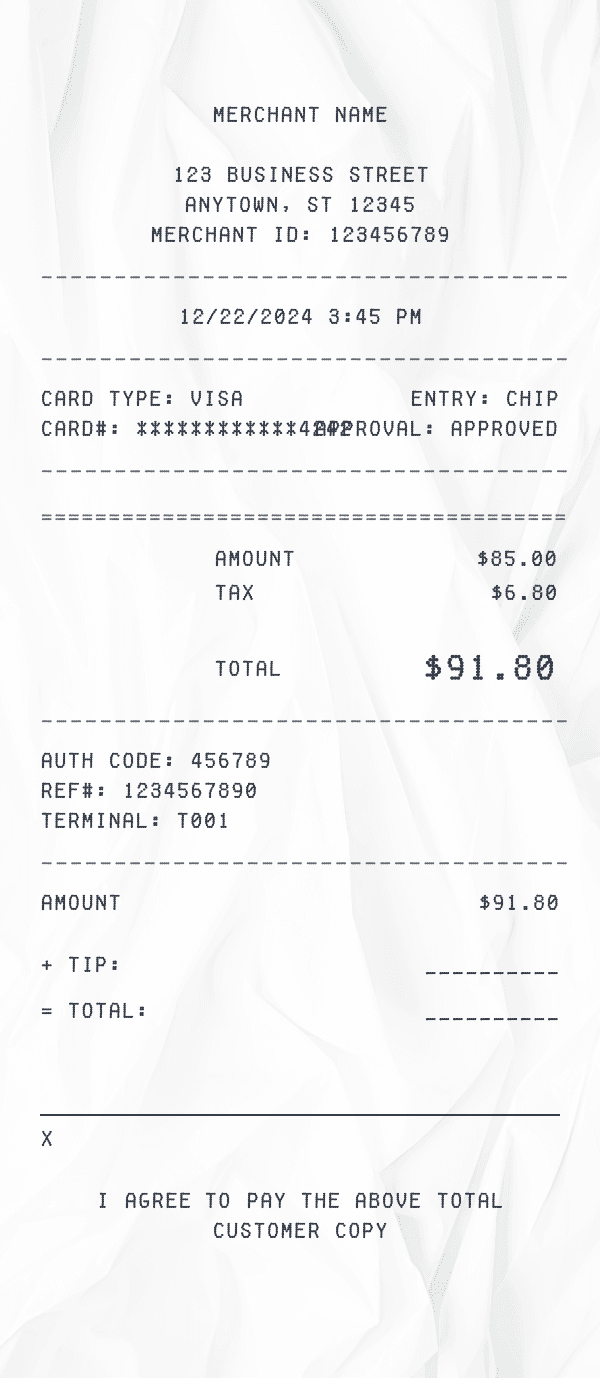
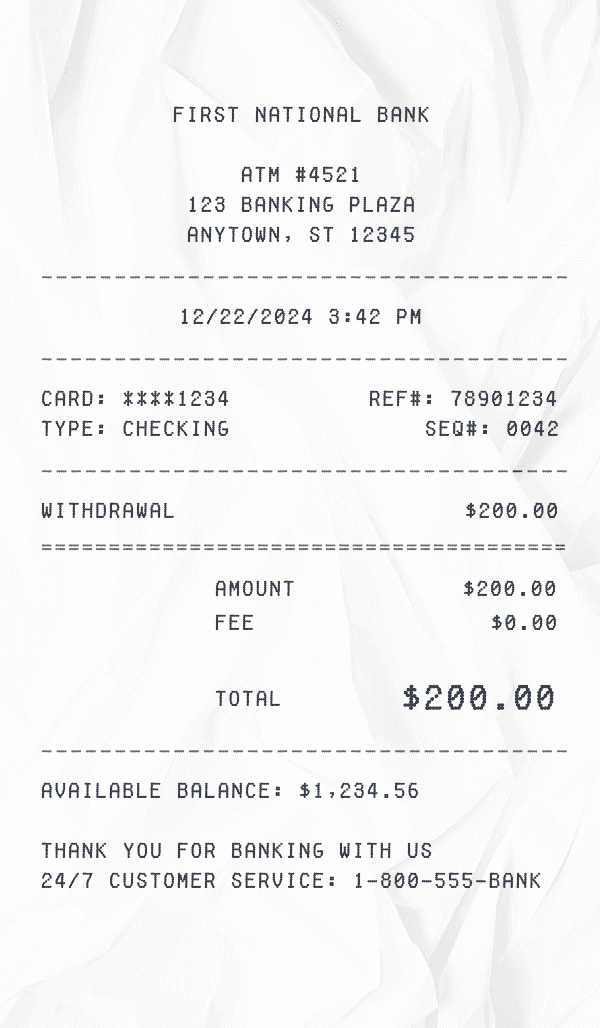
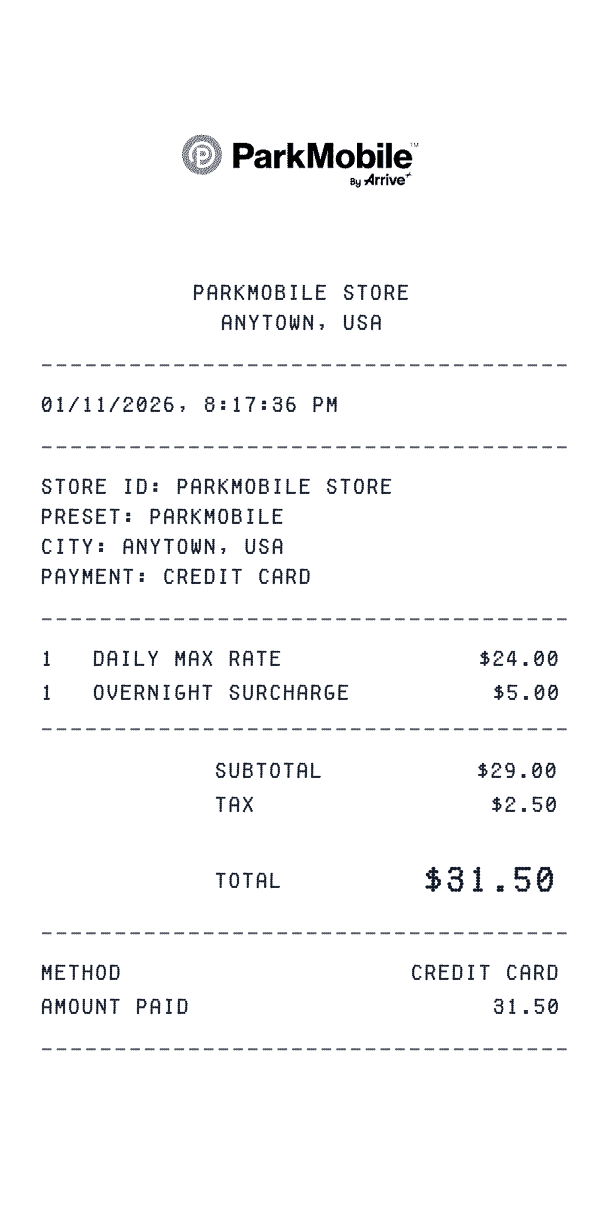
Every payment receipt should include the names and contact information of both parties—the payer and the payee. This establishes the transaction's principals and provides a reference point for any future questions. Include the date of payment (not just the receipt date if different), the payment amount, and the payment method used: cash, check (with check number), credit card (with last four digits), wire transfer, PayPal, Venmo, or other electronic payment methods.
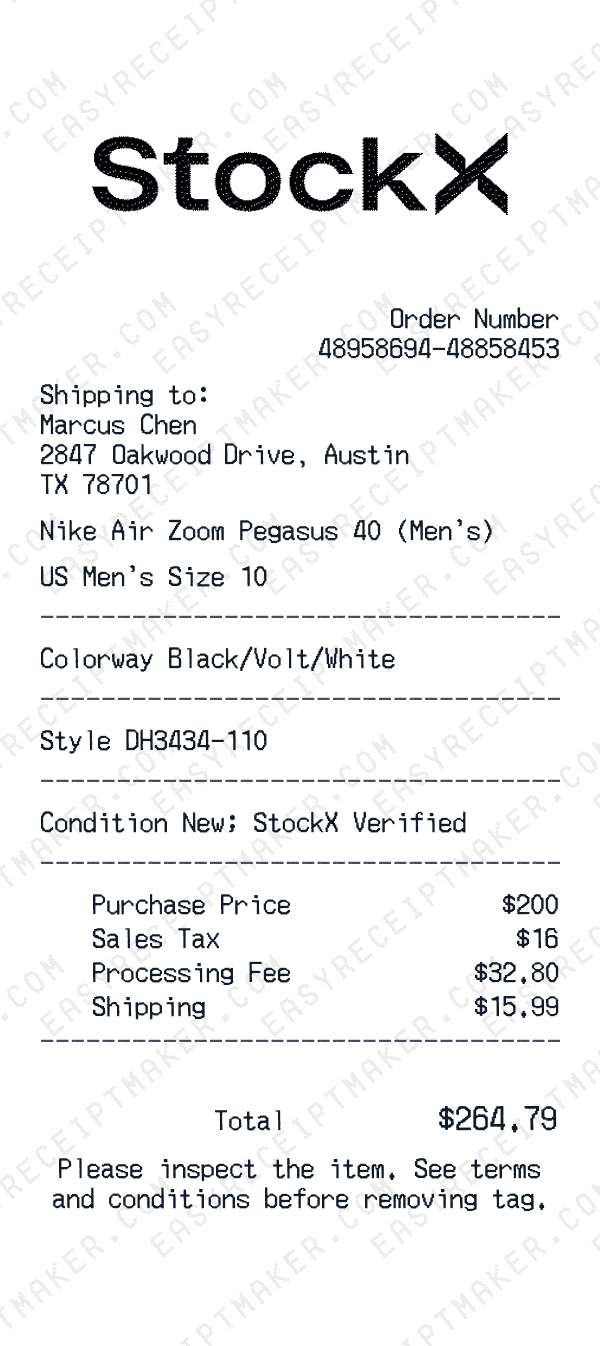
Beyond basics, effective payment receipts describe what the payment was for. This might be an invoice number, account number, service description, or itemized list of goods. Include any relevant reference numbers—transaction IDs, confirmation codes, or authorization numbers for electronic payments. If the payment is partial or part of an installment plan, note the remaining balance. A receipt number helps both parties track and reference the transaction in their records.
Payment receipts for different transaction types
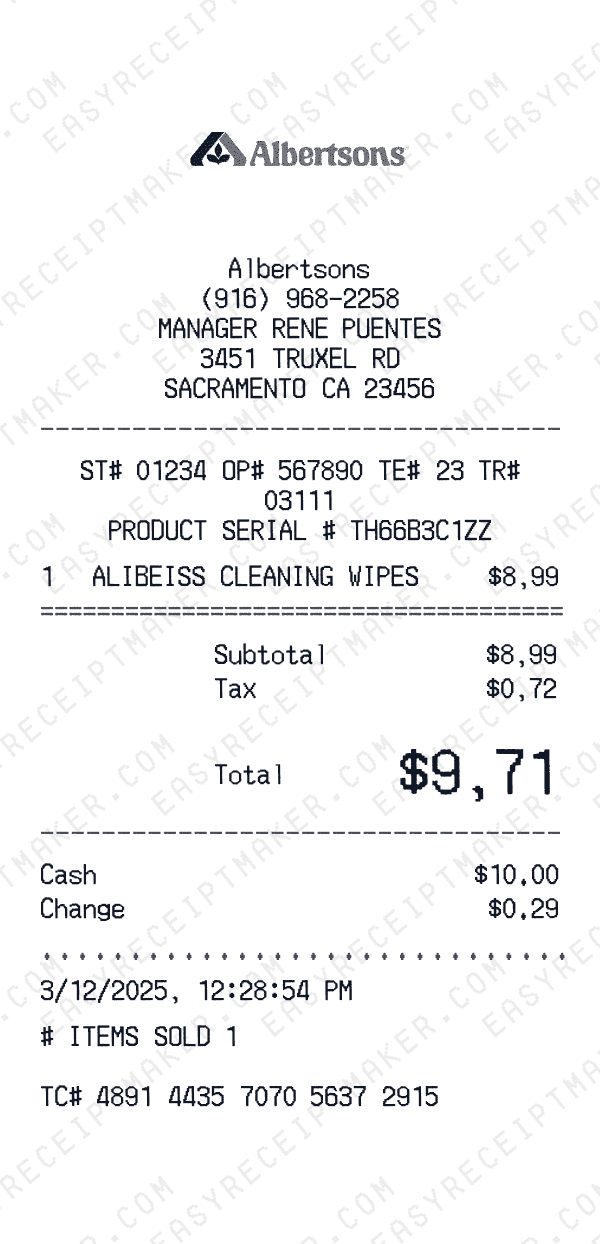
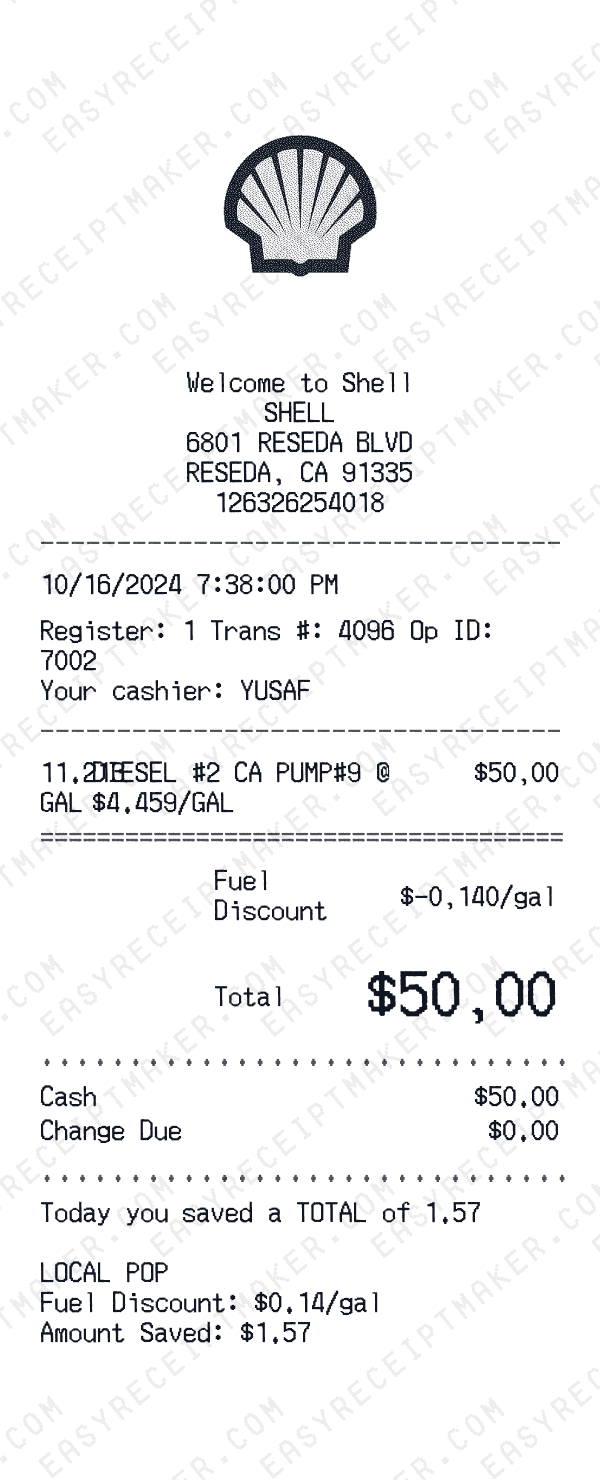
Cash payments require extra documentation since there's no automatic bank record. A cash payment receipt should clearly state 'PAID IN CASH' and ideally include the denomination breakdown or at least the exact amount tendered and any change given. For large cash transactions, both parties should sign the receipt as acknowledgment. This protects the payer from claims of non-payment and the payee from disputes about amounts received.
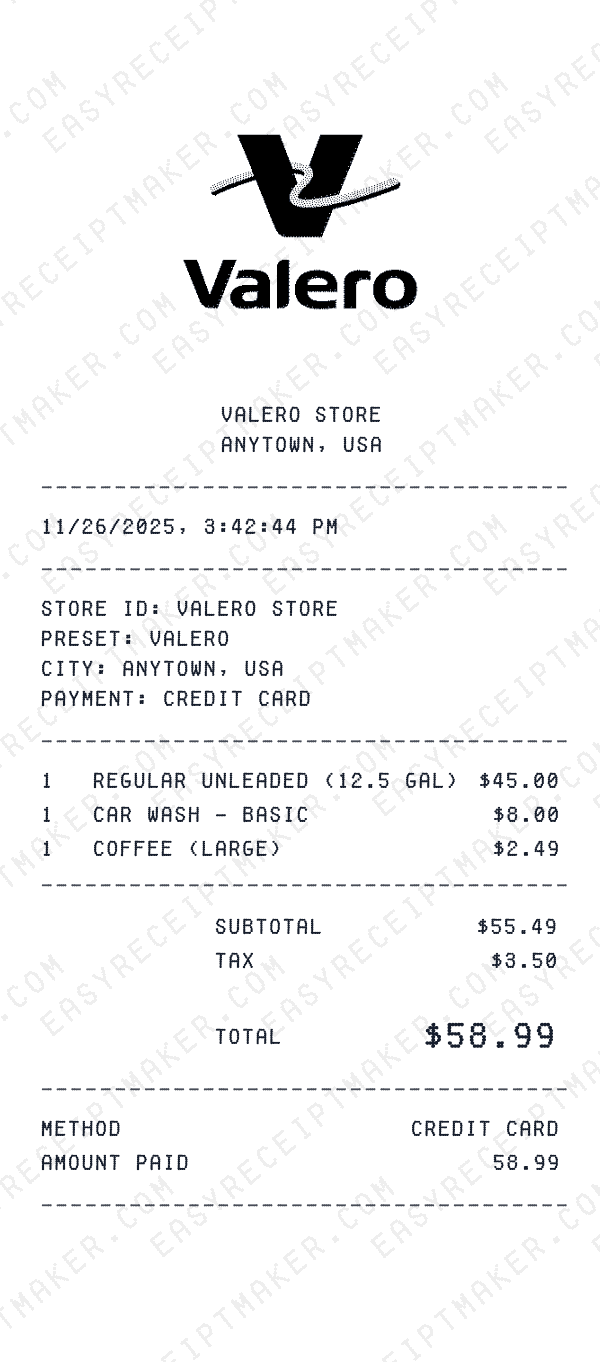
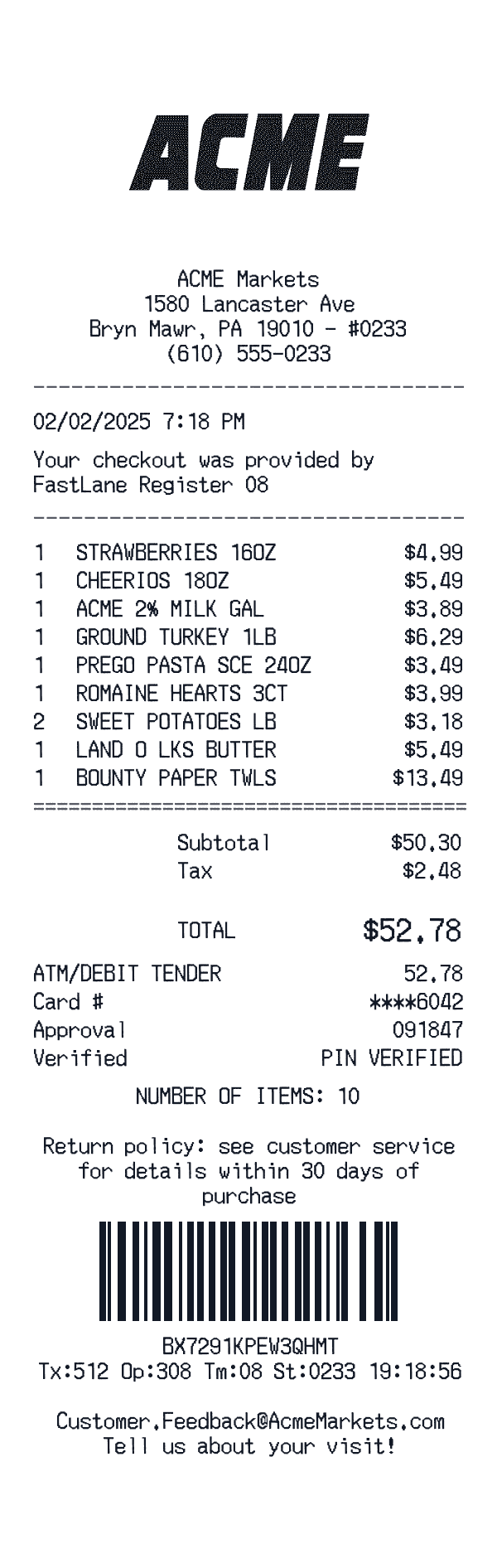
Check payments should include the check number, bank name, and the date the check was received (which may differ from the check date). Note that receipts for checks are often issued 'pending clearance' since the funds aren't guaranteed until the check clears. Electronic payments—credit cards, ACH transfers, PayPal, Zelle—should include transaction IDs or confirmation numbers that can be cross-referenced with bank statements and payment processor records.
Using payment receipts for business and personal transactions
For businesses, payment receipts are fundamental accounting documents. They support revenue tracking and record-keeping. Payment receipts should be numbered sequentially and stored systematically—either in accounting software or organized digital files. This creates organized records for reference and documentation.
Personal transactions also benefit from payment receipts, especially for significant purchases, deposits, or payments between individuals. If you're paying a contractor, settling a debt with a friend, or making a private purchase, a payment receipt protects both parties. It's particularly important for rent payments, security deposits, and any transaction where you might later need to prove payment was made.
Legal considerations and best practices
Providing payment receipts is a professional best practice that builds trust and reduces disputes. Always offer receipts proactively rather than waiting for customers to ask—it signals professionalism and transparency.
Keep copies of important payment receipts you issue and receive. Digital storage is preferred for its searchability and durability, so back up your system regularly. For payment receipts you receive, store them with related documents—the original invoice, contract, or purchase order—to maintain organized records.